Mental Health SVG Design: Hold On, Pain — T-Shirt Designs & Graphics
First Impression: A Quiet Strength in Line and Space
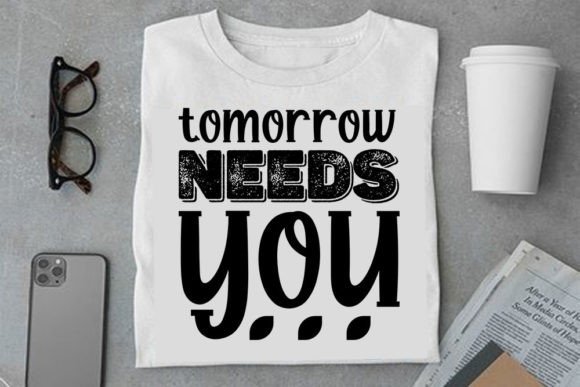
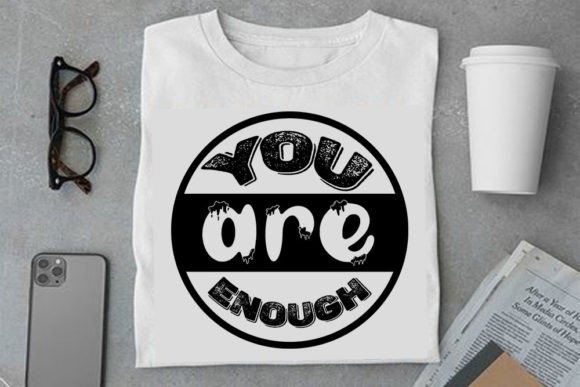
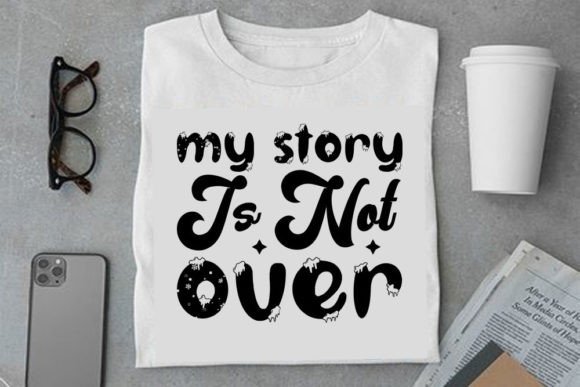
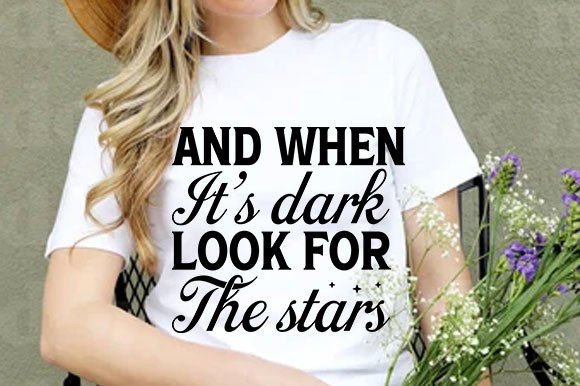
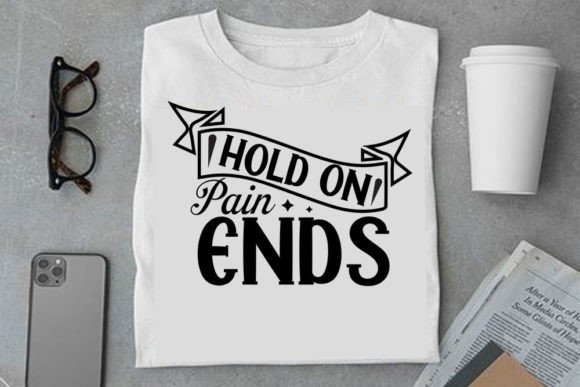
When I opened Mental Health Svg Design, Hold on, Pain, what struck me wasn’t just the message—but how it landed visually. The composition balances restraint with resonance: clean vector lines, intentional negative space, and a subtle typographic rhythm that feels both handwritten and deliberate. It’s not decorative; it’s declarative. This isn’t a shout—it’s a steady breath drawn before speaking. For a client project centered on mental wellness—say, a handmade business launching a limited-edition apparel line for Mental Health Awareness Month—it immediately sets an authentic, compassionate tone without veering into cliché or clinical sterility.
Fits Like a Well-Tailored Layer in Real Brand Systems
I tested Mental Health Svg Design, Hold on, Pain across several real-world scenarios: a boutique’s Instagram carousel, a Cricut-based sticker pack for therapy practice swag, and a print-on-demand t-shirt mockup for an Etsy seller focused on empathetic self-care messaging. In each case, it functioned as a strong supporting element—not a logo, but a visual anchor that reinforced brand voice. It works especially well when paired with soft sans-serif fonts (like Inter or Poppins) or grounded script accents. Against textured kraft paper packaging or muted linen tote bags, the SVG holds emotional weight without overwhelming. As a sublimation design or printable wall art component, its clean vector foundation ensures crisp scaling from 2” stickers to 24” posters.
Where It Shines: Contexts That Amplify Its Intent
- T-shirt design—centered on heather grey or oatmeal fabric, where the contrast supports legibility and mood
- Social media graphics—as a recurring motif in Canva templates for mental health advocates or therapists
- Printable design—framed in minimalist PDF journals or affirmation cards for small business branding
- Cricut project—cut cleanly from vinyl or iron-on, thanks to well-organized paths and no overlapping compound shapes
- Packaging design—used subtly on tape seals, thank-you cards, or inner labels for wellness product lines
- Editorial design—as a recurring graphic element in blog headers or newsletter dividers for mindful content creators
Where Caution Is Needed: Design Situations That Demand Extra Review
This graphic design asset doesn’t default to neutrality—and that’s its strength. But that also means it requires thoughtful placement. Avoid using Mental Health Svg Design, Hold on, Pain at under 16px in digital interfaces or on busy patterned backgrounds where its delicate line weight gets lost. It’s less effective in corporate marketing visuals requiring strict brand consistency (e.g., financial services or enterprise SaaS), and shouldn’t be forced into minimalist logo design without significant adaptation. Also, skip pairing it with ultra-thin serifs or overly ornate display fonts—the contrast undermines its grounded sincerity.
How It Shapes Perception: Trust, Tone, and Visual Hierarchy
In client-facing work, this SVG does more than decorate—it signals alignment. When used in a campaign for a local counseling co-op or a therapist’s website hero section, it builds immediate visual trust through authenticity. Its balance of hope and honesty supports audience engagement without performative optimism. That said, hierarchy shifts depending on scale and context: on a t-shirt, it’s the focal point; on a product label, it becomes a quiet signature. Always test readability—especially the phrase “Hold on”—at actual intended sizes. On dark mockups, the included PNG files with transparent backgrounds performed reliably; the SVG remained fully editable in Illustrator for custom color adjustments.
Designer Notes You’ll Actually Use Before Hitting “Send”
- Preview the EPS, SVG, and DXF files separately—each serves different production needs (e.g., DXF for laser cutters, EPS for legacy print workflows)
- Test the PNG at 72ppi (web) and 300ppi (print)—check transparency edges for fringing or haloing
- Convert to grayscale and invert to verify contrast integrity on light/dark surfaces
- Place it over real product mockups—not just flat previews—to assess visual weight and emotional fit
- Compare how it pairs with your brand’s primary type system: does it complement or compete?
- Confirm commercial license scope—this is essential for print-on-demand sellers, Etsy product listings, or client deliverables
- Inspect path structure in the SVG: are strokes optimized? Are layers named logically for future edits?
A Thoughtful Addition to Your Creative Marketplace Toolkit
Mental Health Svg Design, Hold on, Pain isn’t a trend-chasing clipart piece. It’s a considered creative design—rooted in emotional intelligence and technical precision. For designers building brand identity for empathetic small businesses, crafting social media graphics for mental health nonprofits, or developing printable design collections for mindful living, it delivers substance without sacrificing scalability. Whether you’re sourcing SVG design assets for a new Canva template library, curating a design bundle for crafters, or finalizing a t-shirt design for a community fundraiser, this asset earns its place—not because it’s trendy, but because it’s true. Just remember: like any strong visual statement, it works best when given room to breathe, intention behind placement, and respect for its quiet power.