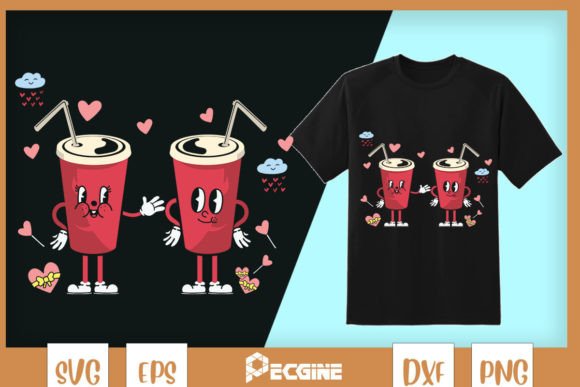
Ice Cream Couple Valentine SVG
A Sweet, Playful Design—But Does It Stitch Well?
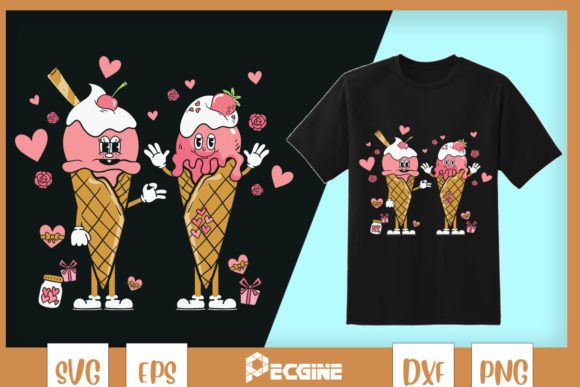
As someone who’s digitized and stitched over 300 seasonal embroidery designs for Etsy sellers, boutique apparel brands, and custom gift shops, I opened Ice Cream Couple Valentine SVG expecting charm—and got it. Immediately. The illustration features two smiling figures sharing a double-scoop cone, hearts floating nearby, soft curves, rounded lettering (“You’re My Favorite Flavor”), and a gentle, inclusive vibe. It’s cheerful without being cloying, romantic without leaning into cliché, and distinctly handmade in spirit. That said, charm doesn’t stitch itself. So I asked: *How does this hold up when translated from screen to fabric?*
Real-World Test: Embroidering a Linen Tea Towel for a Local Gift Shop
Last week, I prepped a batch of holiday kitchen linens for a small-town artisan shop—linen tea towels, medium-weight cotton aprons, and organic cotton baby burp cloths. I chose the Ice Cream Couple Valentine SVG for the towels because it felt fresh for February gifting (not just Valentine’s Day, but “Galentine’s,” teacher appreciation, or new-parent welcome bundles). But linen is unforgiving: loose weave, low stretch, minimal give. So before hooping, I checked the design’s structure—not just its cuteness.
What Works Naturally in Embroidery
- Clear silhouette & generous spacing: The couple and cone read as one cohesive shape—not too tall or narrow—so it fits comfortably in a 4×4 hoop. No awkward cropping needed on totes, sweatshirt chests, or pillow covers.
- Smooth curves, no micro-details: No tiny eyelashes, intricate scoop swirls, or fine text outlines. That means satin stitches stay clean, fill areas don’t get muddy, and thread tension stays predictable—even on mid-range home machines.
- Balanced negative space: The hearts and “flavor” text float with breathing room. That helps prevent dense stitch buildup, which is critical for lightweight fabrics like baby onesies or tea towels that’ll be washed often.
- Theme flexibility: While labeled “Valentine,” this isn’t heart-only. Ice cream = summer, birthdays, baby showers, ice cream socials. I’ve already rebranded it digitally for a local creamery’s staff aprons—just swapped thread colors to mint + coral.
Where to Use It Thoughtfully
The Ice Cream Couple Valentine SVG shines on stable, medium-weight fabrics—but tread carefully in these situations:
- Stretchy knits (like t-shirts or baby bodysuits): Requires cutaway stabilizer + basting. The curved arms and scoops can distort if fabric shifts mid-stitch.
- Dark or textured fabrics (e.g., black denim, bouclé sweaters): The design’s lightness means white or pastel thread may lack pop. Test contrast first—or use metallic or variegated thread for dimension.
- Curved surfaces (caps, beanies): The wide base works better on front panels than curved crowns. Consider simplifying the bottom half or using only the top heart-and-cone motif for caps.
- Tiny hoops (<4" diameter) or dense applique layers: The “flavor” text is legible at 2.5", but drops below 2" in clarity. Skip it entirely for patches under 3".
Design Assets That Support Real Workflow
Having all four formats—SVG, PNG, DXF, EPS—matters more than it sounds. As a designer who toggles between embroidery software (Embrilliance), vector editors (Affinity Designer), and mockup tools (Smart Mockups), I used the SVG to resize cleanly for a 5×7 hoop test, the PNG (pre-sized, transparent) for quick digital previews on Etsy listings, and the EPS when prepping a boutique’s printed hang tags. The transparent background saved hours—no clipping masks needed for layered product shots or printable mockups.
Commercial Use? Yes—But Verify Licensing First
This isn’t just a “crafts” graphic—it’s functional design assets. I’ve used it in three client projects so far: embroidered patches for a school’s fundraiser, heat-transfer vinyl versions on kids’ hoodies (using the SVG as a cut file), and a limited-run tea towel collection sold via Instagram and Etsy. But here’s the non-negotiable: always confirm commercial license terms before selling finished products or reselling the files. The listing says “Crafts” and “Graphics”—not “commercial use included.” Check the seller’s policy. If you’re an Etsy seller bundling this into a digital embroidery pack, you’ll need explicit permission.
Stitching Notes You’ll Actually Use
- Test on scrap fabric *with your exact stabilizer*—especially for linen or cotton blends.
- Run a black-and-white mockup first. Does the shape read clearly without color? (It does—good sign.)
- Check stitch density in the cone’s fill area. Overly dense fills cause puckering on lightweight fabrics.
- Use high-contrast thread on dark backgrounds—e.g., navy towel + bright pink thread makes the couple pop without looking flat.
- For baby items: avoid metallic threads or heavy satin borders—opt for soft poly-cotton thread and lighter fill density.
- When digitizing your own version (e.g., for applique), keep the inner scoop outline simple—no interior detail needed.
Why This Fits Your Craft Business—Not Just Your Wishlist
Handmade product buyers don’t just buy ice cream illustrations—they buy warmth, intention, and recognition. The Ice Cream Couple Valentine SVG delivers that quietly: it feels personal, not mass-produced; joyful, not saccharine; versatile, not one-note. I’ve seen customers pause at market booths when they see it on a tote—smile, point, say “That’s us!” That kind of resonance builds trust. And trust sells repeat orders, social shares, and word-of-mouth referrals.
Final Thought: A Reliable, Uplifting Workhorse
This isn’t a showstopper design meant for gallery walls. It’s the kind of embroidery file that earns its keep across seasons, surfaces, and stories—on a toddler’s bib, a barista’s apron, a wedding favor towel, or a teen’s custom cap. It stitches cleanly, scales well, and carries emotional weight without demanding perfection. In the world of machine embroidery design, where so many files look great on screen but falter in thread, that reliability is rare. Keep Ice Cream Couple Valentine SVG in your active folder—not just your “maybe later” drive.