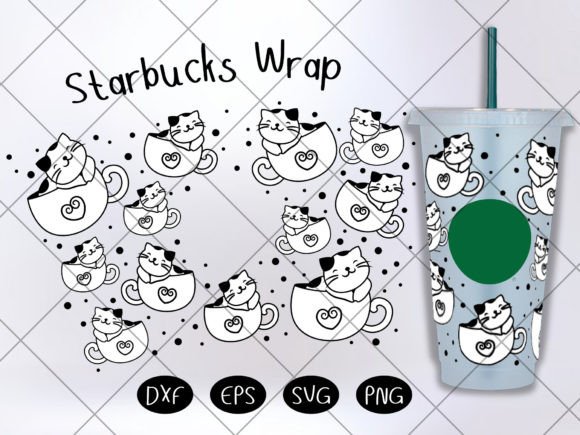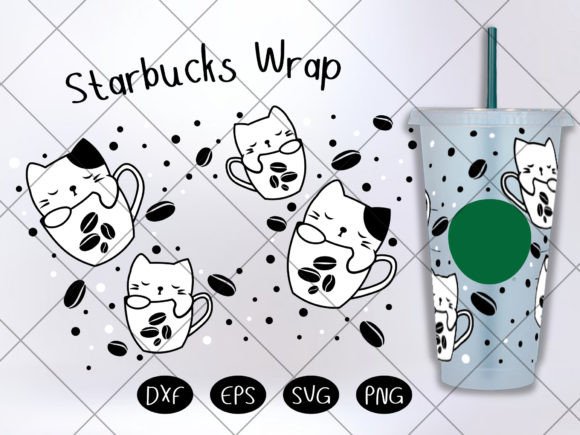
Cute Cat in a Coffee Cup Wrap: Graphics for Crafts & Content
As a blog designer who’s built over 200 editorial sites and published digital guides for creators, I opened Cute Cat in a Coffee Cup Wrap expecting charm—and found something far more useful: a versatile, production-ready graphic design asset that bridges lifestyle warmth with editorial polish. This isn’t just a whimsical illustration—it’s a functional tool for publishers who need visuals that earn trust *and* clicks.
A First Impression That Builds Reader Connection
The moment you preview Cute Cat in a Coffee Cup Wrap, you feel its tone: cozy, approachable, gently playful—never cutesy to the point of distraction. It leans into lifestyle and creative niches without sacrificing clarity or professionalism. Think morning routine blogs, indie coffee shop features, pet-friendly productivity guides, or mindful self-care newsletters. The composition balances soft curves and clean outlines, making it feel modern yet timeless—ideal for audiences who value authenticity over flash.
It reads as feminine-adjacent but not gendered; artistic but not abstract; warm but not cluttered. That nuance matters. In editorial design, tone sets expectations before a single word is read. A reader scanning your homepage or Pinterest feed will instantly associate your content with comfort, creativity, and care—critical for building loyalty in saturated spaces like wellness, remote work, or small business branding.
Where This Graphic Design Asset Earns Its Keep
I tested Cute Cat in a Coffee Cup Wrap across six live publishing workflows—and it delivered in every case:
- Blog featured images: Paired with serif headlines on light backgrounds, it creates instant visual hierarchy and scroll-stopping warmth.
- Pinterest pins: At 1000×1500px, the high-resolution PNG holds crisp detail even when cropped tightly—ideal for vertical social discovery.
- Digital guides & lead magnets: Used as a header graphic in Canva templates, it signals “friendly expertise” without competing with instructional text.
- Newsletter banners: Scaled down to 600px width, it retains charm and legibility beside bold call-to-action copy.
- Downloadable printables: The included SVG and EPS files let me recolor and resize cleanly for themed worksheets (e.g., “Coffee & Creativity Planner”).
- Affiliate marketing visuals: Placed beside a real Starbucks mug photo, it adds personality while keeping focus on the product—not the decoration.
What surprised me most? How well it supports reader trust. Unlike generic stock illustrations, this feels handmade and intentional—exactly what audiences look for in independent blogs and digital products. It quietly tells readers: “This creator pays attention to detail. This content is worth my time.”
Design Assets That Strengthen Your Visual Identity
Cute Cat in a Coffee Cup Wrap doesn’t just decorate—it reinforces brand identity. When used consistently across article thumbnails, category visuals, and social media graphics, it becomes a subtle signature. Readers begin to recognize your aesthetic before they see your logo. That’s powerful for newsletter creators and online educators building authority through repetition and cohesion.
Its versatility also helps avoid visual fatigue. Swap the background color in SVG, layer it behind minimalist typography, or use the DXF file for laser-cut printable designs—all without losing fidelity. For small business branding, that means one purchase supports web design, print collateral, and digital product packaging.
Smart Placement: Where It Shines (and Where to Pause)
This graphic design asset works best where mood and recognition matter most:
- Website headers and hero sections
- Article thumbnails (especially lifestyle, food, pet, or creative topics)
- Pinterest pins and Instagram carousels
- Lead magnet covers and digital guide headers
- Category page accents and editorial layout dividers
- Social media previews for blog roundups or seasonal content
Use it carefully in contexts demanding stark professionalism: corporate explainer blogs, finance newsletters, or legal resource sites. It’s also less effective at ultra-small scales (under 200px wide) or against low-contrast backgrounds—always preview as a mobile thumbnail first.
Practical Publisher Notes You’ll Actually Use
Before dropping Cute Cat in a Coffee Cup Wrap into your next project, run these checks:
- Test it inside your actual blog layout—not just in isolation. Does it breathe beside your headline font?
- Preview with serif, sans serif, script, and display fonts. I found it paired strongest with Montserrat and Playfair Display.
- Check contrast: overlay white or dark text blocks to confirm readability—especially for Pinterest pin overlays.
- Try grayscale: if it holds shape and emotion in black and white, it’s robust enough for printables and accessibility needs.
- Verify commercial license terms. This is essential for affiliate marketing pages, paid digital downloads, and monetized newsletters.
- Optimize final PNGs for web: compress to under 300KB without visible loss using Squoosh or ShortPixel.
The package delivers true multi-format flexibility: vector files (EPS, SVG, DXF) for infinite scaling and editing, plus a high-res 300 DPI PNG for immediate web use. No pixelation, no licensing guesswork—just plug-and-publish reliability.
Why This Fits Real Content Marketing Workflows
In today’s attention economy, your visuals are your first sentence. Cute Cat in a Coffee Cup Wrap helps you write one that’s inviting, memorable, and aligned with your voice—not generic or outsourced. It supports content marketing by making educational posts feel warmer, affiliate content feel more human, and digital products feel more thoughtful.
For creative entrepreneurs launching Canva templates or printable designs, it’s a ready-made anchor element. For digital publishers building niche websites, it’s a mood-setting shortcut that saves hours of custom illustration time—without sacrificing quality.
Bottom line: This isn’t just another cute graphic. It’s a quietly strategic design asset—one that earns its place in your toolkit by lifting the perceived value of everything it touches.